
Oil prices broke through the $100-per-barrel mark Wednesday for the first time since July, driven by escalating military confrontations between the United States and Iran that threaten global energy supplies and could hit American consumers hard at the pump ahead of midterm elections.
Military Confrontations Drive Price Spike
Brent crude, the international oil benchmark, climbed above $100 in early morning trading and reached nearly $101 later Wednesday. The surge followed a day of intensified conflict after U.S. military forces destroyed five Iranian tankers in response to attempted missile attacks on a Navy warship. Tehran retaliated with strikes on American ships and a military base in Jordan, marking the latest exchange in a war that has disrupted global markets for months.
U.S. crude oil followed a similar trajectory, rising above $95 per barrel before 8 a.m. Eastern time for the first time since June. Both benchmarks have climbed more than 65 percent since January and stand roughly 40 percent higher than prewar levels, though still below the $120 peak reached in the conflict’s early days.
Energy Infrastructure Under Attack
The situation worsened as Iranian-backed Houthi rebels launched attacks on Saudi Arabian oil facilities this week, setting sites ablaze and threatening to expand the conflict with the key U.S. ally. The assaults represent a significant escalation beyond previous Houthi attacks on tankers in the Red Sea. Middle East oil exports have diminished sharply since the U.S. and Israel began military operations against Iran in February. Tehran has throttled the Strait of Hormuz, a critical waterway that previously carried one-fifth of the world’s oil supply.
Political and Economic Implications
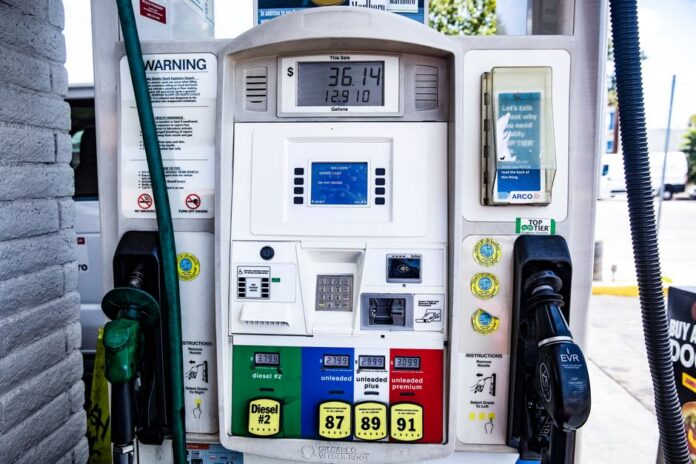
The rising prices pose serious concerns for the White House and Republicans as midterm elections approach. American consumers face higher costs at gas stations nationwide. President Donald Trump addressed the situation on social media Monday, predicting oil prices would drop dramatically once the war concludes. He suggested prices could fall to as low as two dollars per gallon. However, market analysts see little evidence supporting an imminent resolution.
Commodities experts warned earlier this week that Brent crude could reach $120 or even $150 per barrel if the Iranian standoff continues. Trump has implemented a maritime blockade strategy to pressure Iran’s economy, but recent days have brought multiple violent confrontations. While U.S. military efforts have partially restored shipping through the Strait of Hormuz, disruptions to key trade routes persist, maintaining upward pressure on global energy prices and threatening economic stability as political campaigns intensify.