
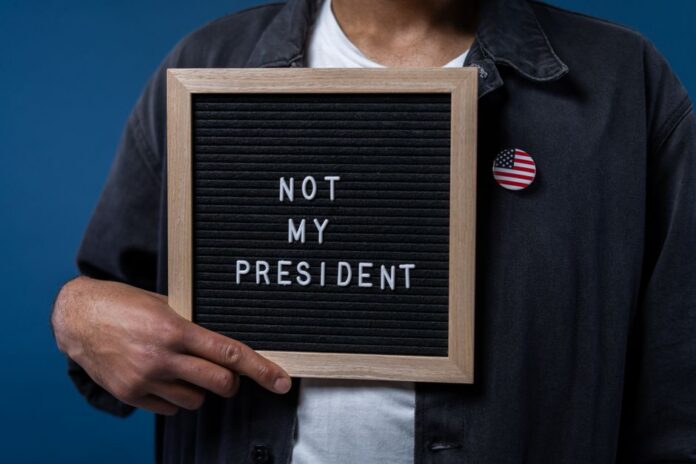
Public Opinion Is Putting Pressure on Leaders
In the modern political landscape, public opinion has emerged as one of the most powerful forces shaping governmental decisions and policy directions. Political leaders across the globe are increasingly finding themselves under intense scrutiny from constituents who are more informed, connected, and vocal than ever before. This shift in the dynamic between leaders and the public represents a fundamental transformation in how democracy functions in the 21st century.
The Rise of Public Influence in Political Decision-Making
The relationship between public opinion and political leadership has evolved dramatically over the past few decades. Traditional hierarchical structures, where leaders made decisions with limited input from citizens, have given way to more responsive systems where public sentiment plays a crucial role in shaping policy outcomes. This transformation has been driven by several interconnected factors that have fundamentally altered the political landscape.
Technology and social media platforms have democratized political discourse, enabling citizens to voice their opinions instantly and organize collective action with unprecedented speed. Leaders can no longer afford to ignore public sentiment, as viral movements and online campaigns can rapidly gain momentum and create significant political pressure. What might begin as a small local concern can quickly escalate into a national or even international issue demanding immediate attention from political figures.
Mechanisms Through Which Public Opinion Exerts Pressure
Public opinion manifests its influence on political leaders through various channels, each contributing to the overall pressure that shapes decision-making processes. Understanding these mechanisms is essential to comprehending the contemporary political environment.
Electoral Accountability
The most direct form of pressure comes from electoral accountability. Leaders in democratic systems understand that their political survival depends on maintaining sufficient public support. Poll numbers and approval ratings have become constant companions to modern politicians, serving as real-time feedback on their performance and policy choices. When public opinion shifts dramatically on key issues, leaders must respond or risk electoral consequences.
Media Amplification
Traditional and digital media play crucial roles in amplifying public opinion and directing it toward political leaders. News cycles that once lasted days now unfold in hours, with leaders expected to respond quickly to emerging issues. Media coverage of public protests, opinion polls, and citizen reactions creates a feedback loop that intensifies pressure on decision-makers to address public concerns.
Grassroots Movements and Activism
Organized civil society groups, grassroots movements, and activist organizations have become increasingly sophisticated in mobilizing public opinion and channeling it toward specific political objectives. These groups employ various tactics, from peaceful protests to petition campaigns, creating visible demonstrations of public sentiment that leaders cannot easily dismiss.
Areas Where Public Pressure Is Most Evident
Public opinion has proven particularly influential in several key policy areas where citizens feel most directly affected by governmental decisions.
Environmental and Climate Policy
Climate change has emerged as a defining issue where public opinion, particularly among younger generations, has forced leaders to reconsider their positions and policies. Large-scale climate strikes, sustained activism, and growing public awareness of environmental degradation have compelled governments worldwide to commit to more ambitious climate targets and environmental regulations, even when these measures face resistance from certain economic sectors.
Economic Justice and Inequality
Public concerns about income inequality, wage stagnation, and economic opportunity have pushed political leaders to address issues of economic justice more directly. Movements demanding higher minimum wages, tax reform, and corporate accountability have gained traction, forcing politicians to incorporate these themes into their platforms and policy agendas.
Social Justice and Civil Rights
Public opinion on social justice issues has driven significant policy discussions and reforms in recent years. Leaders have found themselves under pressure to address systemic inequalities, reform institutions, and implement policies that promote greater equity and inclusion across society.
The Double-Edged Nature of Public Pressure
While increased public influence on political leadership strengthens democratic accountability, it also presents challenges and complications for effective governance.
Benefits of Public Engagement
- Enhanced democratic legitimacy as policies reflect citizen preferences
- Greater transparency and accountability in governmental decision-making
- Earlier identification of social problems requiring political attention
- Increased civic participation and political engagement among citizens
- More responsive governance that adapts to changing societal needs
Challenges and Concerns
Despite the democratic benefits, heavy reliance on public opinion in political decision-making raises legitimate concerns. Leaders may become overly focused on short-term popularity rather than long-term strategic thinking. Populist pressures can sometimes override expert advice and evidence-based policymaking. Additionally, the loudest voices do not always represent majority opinion, and social media can create distorted perceptions of public sentiment.
Political leaders must also navigate the reality that public opinion can be volatile, shifting rapidly in response to events and media coverage. This volatility can make sustained policy implementation difficult, as leaders constantly adjust to changing public moods rather than maintaining consistent long-term strategies.
The Future of Public Opinion in Politics
As technology continues to evolve and citizens become increasingly connected and informed, the pressure of public opinion on political leaders is likely to intensify. Artificial intelligence, data analytics, and new communication platforms will create additional channels for public expression and organization. Leaders will need to develop new skills in navigating this complex landscape, balancing responsiveness to public concerns with the need for principled, evidence-based governance.
The relationship between public opinion and political leadership will continue to evolve, potentially leading to new forms of democratic participation and governance structures. Success in this environment will require leaders who can effectively listen to and engage with public concerns while maintaining the courage to make difficult decisions that serve long-term national interests, even when those decisions may be temporarily unpopular.
Conclusion
Public opinion has become an undeniable force in contemporary politics, fundamentally reshaping the relationship between leaders and citizens. This transformation represents both an opportunity to strengthen democratic governance and a challenge to effective leadership. As this dynamic continues to evolve, finding the right balance between public responsiveness and principled leadership will remain one of the central challenges facing political systems worldwide.