
A 23-year-old Florida woman spent nearly two weeks behind bars after automated license plate reader technology wrongly linked her vehicle to a triple-fatal crash, raising serious questions about law enforcement’s reliance on surveillance cameras in criminal investigations.
The Wrong Car, The Wrong Person
Lindsey Brooke Isaacs was asleep at home on October 4, 2025, when police arrived claiming her black Dodge Durango had been involved in a crash on Interstate 4 near DeBary that killed three people, including Flagler County Deputy Administrator Jorge Salinas and his wife Nancy. Motorcyclist Joaquin Deno also died in the collision. Despite showing officers her undamaged vehicle and providing receipts proving her whereabouts, authorities launched an investigation that led to her arrest six months later.
Prosecutors charged Isaacs with eight felonies, including three counts of vehicular homicide and three counts of leaving the scene of a crash involving death. She spent 13 days in jail, with several days in solitary confinement, before authorities dropped all charges and arrested another woman in connection with the crash.
How Technology Led Investigators Astray
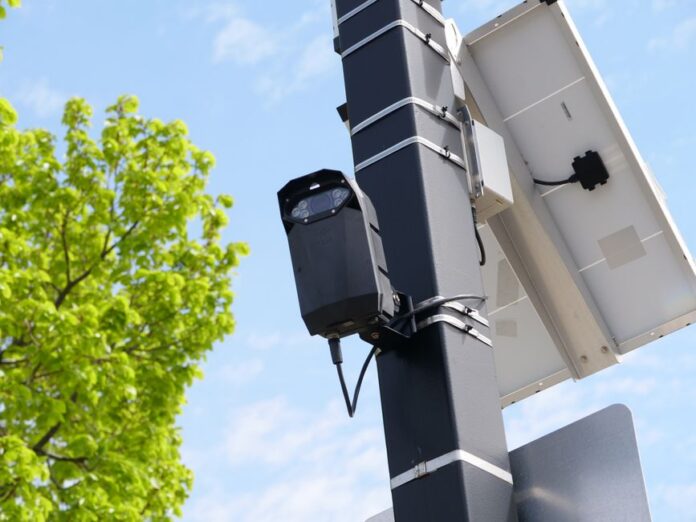
A Flock automated license plate reader captured Isaacs’ vehicle traveling eastbound near the Seminole and Volusia county line at 9:51 p.m., approximately three miles west of where the crash occurred around 9:53 p.m. Her attorney, Patrick McGeehan, conducted a time-distance analysis proving Isaacs had already passed the crash location when the collision happened. The camera data was accurate, but investigators drew the wrong conclusion from it.
Critical evidence pointing away from Isaacs was apparently overlooked. A 911 caller described a maroon Dodge Durango and provided a partial plate number. Investigators found maroon paint transfer on a Ford Focus involved in the crash. Isaacs drove a black vehicle. A specialized Florida Highway Patrol team inspected her SUV and found no collision damage, confirming what Isaacs had told police from the start.
Questions About Due Process
The case highlights concerns about how heavily law enforcement weighs automated surveillance data when individual liberty hangs in the balance. Isaacs told reporters she felt authorities focused solely on the camera hit without properly evaluating contradictory evidence. Her vehicle remained impounded for months while she faced charges that could have resulted in decades in prison. The investigation eventually identified the actual suspect, vindicating Isaacs but not erasing her time in jail or the felony charges on her record before dismissal.