
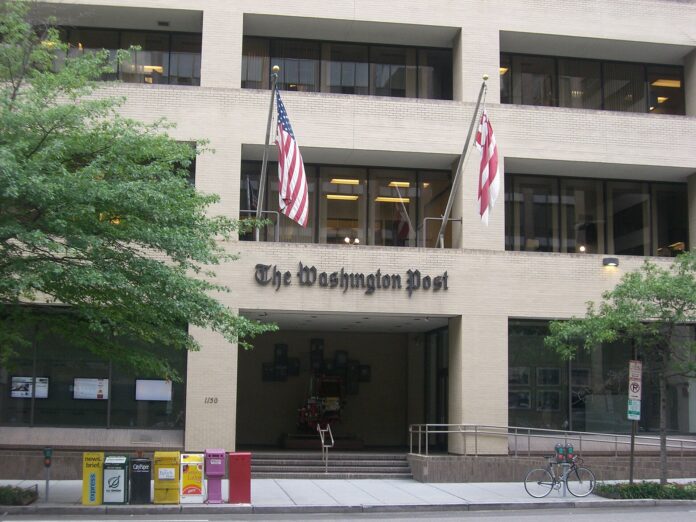
An independent arbitrator has ruled that the Washington Post wrongfully terminated opinion columnist Karen Attiah and must reinstate her with back pay, delivering a significant rebuke to the newspaper’s decision to fire her over social media posts following the September 2025 assassination of conservative activist Charlie Kirk.
Arbitrator Finds Insufficient Grounds for Termination
Private arbitrator Sarah Miller Espinosa determined the Post violated its labor agreement when it dismissed Attiah in September 2025. In her ruling, Espinosa stated the newspaper failed to prove the columnist engaged in gross misconduct or provide adequate cause for termination. The decision contradicts the Post’s claim that Attiah’s posts on the social media platform Bluesky breached the newspaper’s social media policy, which requires employees to maintain respectful online conduct that protects the publication’s journalistic integrity.
Attiah’s dismissal occurred during a broader campaign by conservative activists demanding professional consequences for individuals whose comments about Kirk’s assassination were considered offensive. In her statement following the ruling, Attiah said the decision vindicated her position that she was performing her duties as an opinion writer when she made posts referencing Kirk’s past comments about Black women.
Context of Upheaval at the Post
The arbitration ruling arrives as the Washington Post navigates significant internal changes under owner Jeff Bezos. In February 2025, Bezos announced a strategic shift for the opinion section, refocusing editorial priorities around personal liberties and free market principles. That same month, the newspaper implemented substantial layoffs affecting approximately one-third of its workforce, cutting positions across international coverage, editing, metro reporting, and sports desks as management addressed mounting financial losses.
What This Means
The decision raises questions about how news organizations balance their social media policies with employee speech rights, particularly for opinion columnists hired to express viewpoints. Attiah spent over a decade at the Post working as both an editor and opinion columnist covering race, gender, and global human rights issues. The arbitrator’s ruling suggests the newspaper may have overreached in its response to external pressure, prioritizing criticism over established employment agreements and journalistic standards for opinion writers whose job explicitly involves expressing commentary on current events.