
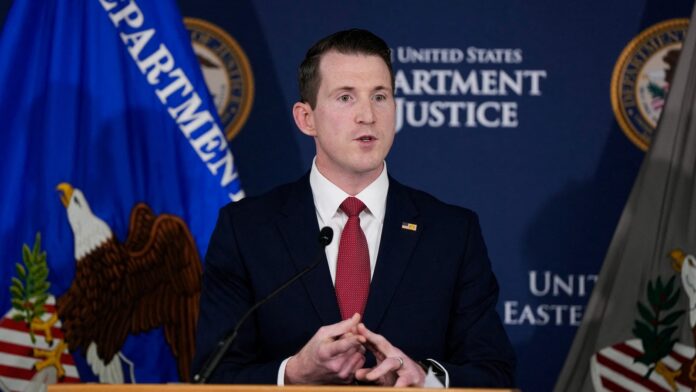
Federal prosecutors have charged five individuals with stealing $2.9 million in taxpayer-funded student aid through elaborate identity theft schemes, marking the first arrests in a nationwide crackdown that spans 40 cases across 26 states.
How the Scheme Drained Federal Programs
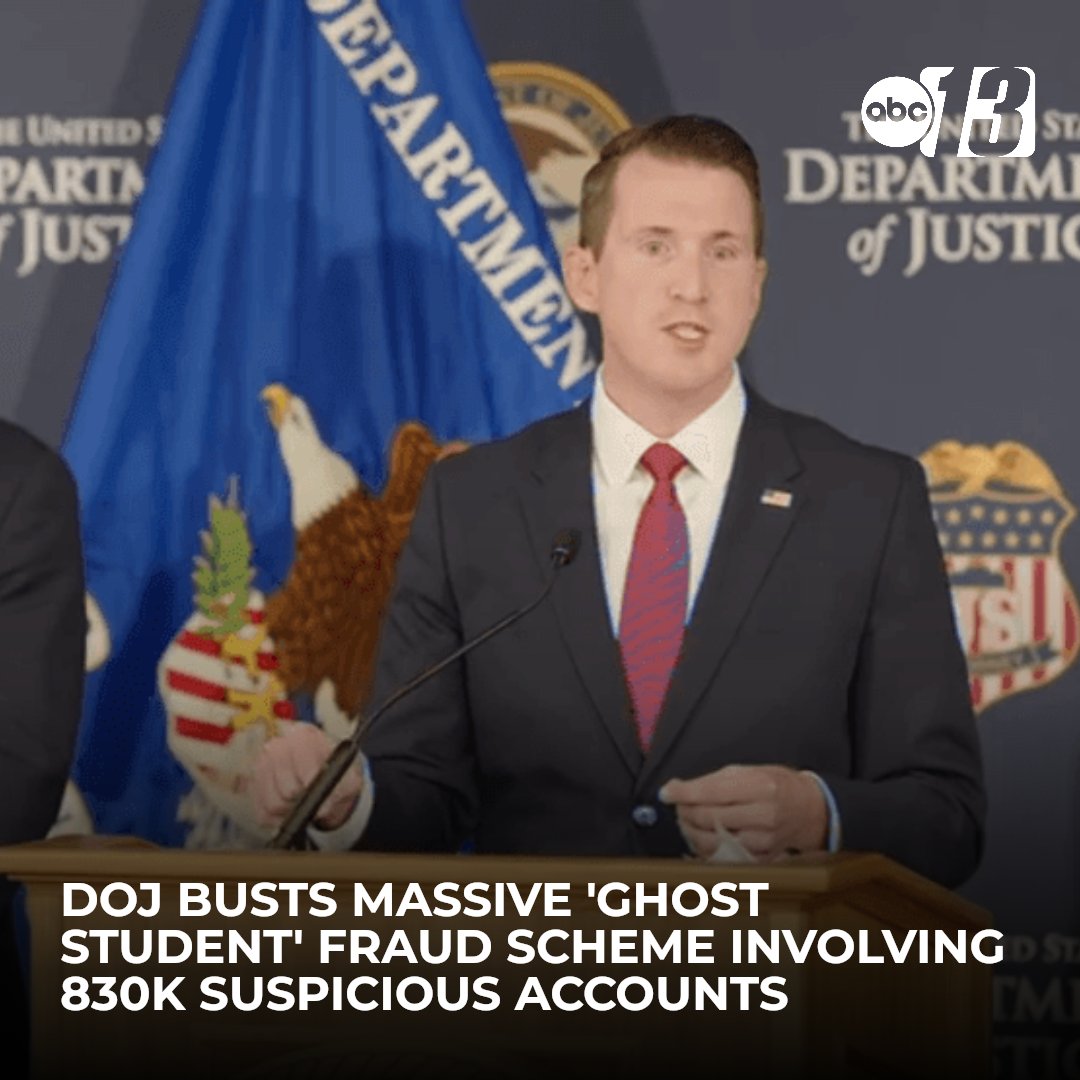
The accused scammers exploited online education systems by creating fake student profiles or using stolen identities to enroll in classes. After securing federal grants and loans meant for legitimate students, they vanished without attending a single course. Assistant Attorney General Colin McDonald announced the charges on Thursday, emphasizing the government’s determination to prosecute anyone who steals American identities and exploits programs designed to help students build their futures.
The suspects face serious charges including theft of government property, aggravated identity theft, and conspiracy to commit wire fraud. Authorities say the five defendants in Nebraska, Virginia, and New Jersey allegedly conspired with foreign nationals in separate schemes to siphon millions from federal student financial aid programs. The Nebraska suspect pleaded not guilty and remains detained pending trial, while three New Jersey defendants have not yet entered pleas. The Virginia indictment remains sealed.

Operation Ghostbusters Reveals Massive Problem
These charges represent just the tip of the iceberg in what officials call Operation Ghostbusters, a government-wide investigation into ghost student fraud. The scam costs American taxpayers hundreds of millions of dollars annually, leaving countless victims whose stolen identities are used to rob federal education programs. The scale of the problem is staggering, particularly in states like California where nearly one-third of all community college applicants in 2024 were identified as fraudulent.
What This Means for Taxpayers
This investigation exposes critical vulnerabilities in how federal student aid is distributed and monitored. When criminals exploit online enrollment systems with fake identities, legitimate students lose access to limited resources while taxpayers foot the bill for fraud. The involvement of foreign nationals in multiple schemes raises additional concerns about international criminal networks targeting American education programs. As prosecutors move forward with these cases, the question remains whether current safeguards are sufficient to protect hundreds of billions in annual federal student aid spending from sophisticated fraud operations that span state lines and national borders.