
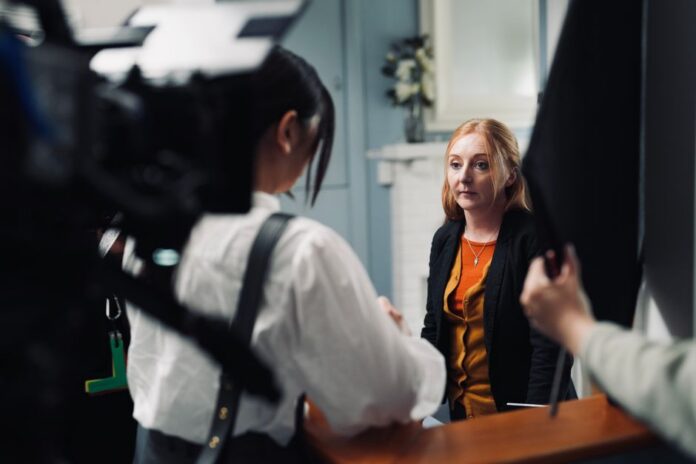
Behind the Scenes of the Most Talked-About Reality Show in 2026
The television landscape of 2026 has been dominated by an unprecedented phenomenon in reality entertainment. As viewers worldwide tune in weekly to witness dramatic confrontations, strategic alliances, and genuine human connections, few understand the massive production machinery operating behind the cameras. The most talked-about reality show of the year represents not just entertainment, but a technological and logistical marvel that sets new standards for the industry.
The Production Scale and Complexity
Modern reality television production has evolved far beyond simple documentary-style filming. The leading show of 2026 employs over 300 crew members working in rotating shifts to capture every moment of the contestants’ experiences. This includes camera operators, sound technicians, producers, editors, and support staff who work around the clock to ensure seamless content creation.
The production utilizes more than 150 cameras strategically placed throughout the filming locations, including fixed installations, handheld equipment, and innovative wearable camera technology. Advanced artificial intelligence systems monitor all feeds simultaneously, flagging potentially significant moments for human producers to review. This hybrid approach ensures that no compelling content slips through the cracks while maintaining the creative judgment necessary for quality storytelling.
Technological Innovation in Reality Programming
The 2026 production season has introduced groundbreaking technology that transforms how reality television is captured and presented. Real-time biometric monitoring allows producers to track contestants’ stress levels, heart rates, and emotional states without invasive procedures. This data helps editors identify genuinely intense moments rather than relying solely on dramatic music and editing techniques.
Advanced Audio Systems
Sound capture has reached new sophistication levels with directional microphone arrays that can isolate individual conversations in crowded environments. Each contestant wears multiple wireless microphones with 48-hour battery life and automatic backup systems. The audio team can monitor up to 30 separate channels simultaneously, ensuring crystal-clear sound quality regardless of environmental challenges.
Immersive Viewing Technologies
Viewers in 2026 experience reality television through multiple platforms and formats. The show offers traditional broadcast viewing alongside interactive streaming options where audiences can choose their preferred camera angles, access additional footage, and view real-time statistics about contestants. Virtual reality extensions allow subscribers to experience environments as if they were present on location, creating unprecedented viewer engagement.
The Editorial Process
Transforming hundreds of hours of raw footage into compelling weekly episodes requires a sophisticated editorial approach. The show’s editing team works with advanced software that uses machine learning algorithms to create preliminary rough cuts, identifying key moments, conflicts, and narrative threads. Human editors then refine these automated assemblies, adding creative touches and ensuring authentic storytelling.
The editorial team faces the continuous challenge of balancing entertainment value with ethical representation. Industry standards have evolved significantly, with greater emphasis on avoiding manipulative editing that misrepresents contestants’ words or actions. Third-party ethics consultants review all episodes before broadcast to ensure compliance with updated reality television guidelines established in 2025.
Contestant Welfare and Support
Contemporary reality television production places unprecedented emphasis on participant well-being. The 2026 production employs a full-time psychological support team available to contestants 24/7. Regular mental health check-ins occur throughout filming, and contestants can request private counseling sessions that are never filmed or discussed publicly without explicit permission.
Medical professionals remain on-site continuously, with emergency protocols established for various scenarios. Nutritionists ensure contestants receive adequate meals tailored to dietary requirements and restrictions. Sleep specialists monitor rest patterns to prevent dangerous exhaustion that plagued earlier reality television productions.
Legal and Ethical Frameworks
Reality television in 2026 operates under comprehensive legal frameworks developed through years of industry evolution. Contestant contracts now include numerous protective provisions addressing compensation, content usage rights, post-show support, and mental health resources. Independent advocates review all contracts before signing to ensure participants understand their rights and obligations.
The production maintains strict protocols regarding contestant privacy during non-filming hours. Designated private spaces exist where cameras cannot operate, allowing participants genuine downtime away from constant surveillance. This balance between comprehensive coverage and human dignity represents significant progress in reality television ethics.
The Economic Impact
The financial scale of top-tier reality programming has expanded dramatically. The leading show of 2026 operates with a per-episode budget exceeding two million dollars, covering location fees, staff salaries, technology costs, contestant stipends, and post-production expenses. However, this investment generates substantial returns through advertising revenue, streaming rights, international distribution, and merchandising opportunities.
The show’s success has created employment opportunities across multiple sectors, from local businesses providing services to filming locations to technology companies developing specialized production equipment. Economic analyses suggest the production generates over fifty million dollars in regional economic activity annually.
Looking Toward the Future
The innovations pioneered by 2026’s most successful reality show will undoubtedly influence television production for years to come. As technology continues advancing and audience expectations evolve, reality television adapts to maintain relevance and appeal. The industry’s movement toward ethical production practices, technological sophistication, and genuine storytelling suggests a maturing medium that respects both participants and viewers.
The behind-the-scenes complexity of modern reality television demonstrates that successful programming requires far more than pointing cameras at interesting people. It demands technological innovation, ethical consideration, creative vision, and logistical expertise working in harmony to create entertainment that resonates with global audiences while maintaining human dignity and authentic storytelling.