
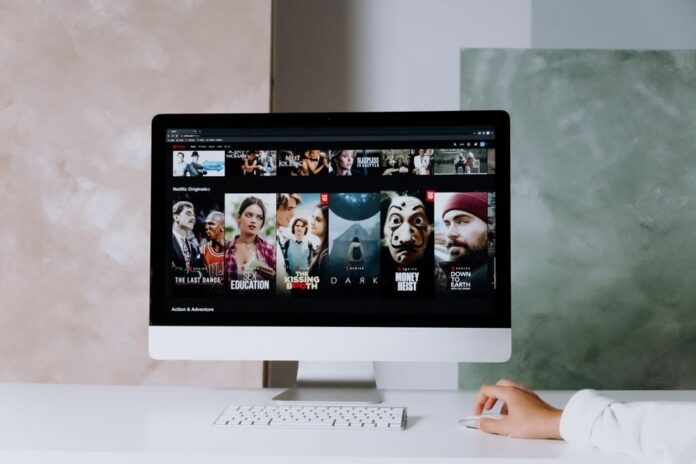
Streaming Platform Algorithms: How They Choose Your Shows
By Newsroom, Entertainment Desk — Published July 28, 2026
Table of Contents
- How Streaming Platform Algorithms Actually Work
- The Business Logic Behind the Recommendations
- What This Means for Content Creation
- The Limitations and Blind Spots
- Taking Back Some Control
- Frequently Asked Questions
You settle onto the couch, open your favorite streaming app, and there it is: a personalized homepage filled with recommendations. Some hit the mark perfectly. Others feel bafflingly off-base. Behind this curated experience lies a complex web of streaming platform algorithms designed to predict what you’ll watch next—and keep you watching. These invisible gatekeepers don’t just suggest content; they shape which shows get renewed, which films find audiences, and ultimately what Hollywood decides to produce.
Understanding how these systems work matters for anyone who cares about entertainment. The algorithms influence everything from box office results to music chart rankings, from which TV series premieres get traction to which celebrity updates flood your feed. They’re rewriting the rules of pop culture itself.
How Streaming Platform Algorithms Actually Work
The recommendation engines powering major streaming platforms operate on multiple layers of data collection and analysis. At the most basic level, they track what you watch, when you watch it, and how long you stick with it. But the sophistication goes much deeper.
These systems categorize content through a process called tagging or metadata assignment. A single film might receive hundreds of tags describing its genre, mood, pacing, visual style, narrative structure, and thematic elements. A romantic comedy set in New York with a strong female lead and a happy ending gets tagged very differently than a dark thriller with an ambiguous conclusion. When you finish that rom-com, the algorithm doesn’t just look for other romantic comedies—it searches for content sharing multiple characteristics with what kept you engaged.
Viewing behavior provides the raw material. The algorithm notes whether you binge-watched an entire season in one sitting or abandoned a show after twelve minutes. It registers if you skipped the opening credits, rewatched certain scenes, or paused frequently. All of this feeds into a prediction model attempting to calculate the probability you’ll enjoy—and complete—any given title.
Collaborative filtering adds another dimension. The system identifies users with similar viewing patterns to yours and examines what they watched that you haven’t yet discovered. If a thousand people who loved the same obscure documentary you enjoyed also watched a particular foreign thriller, that thriller climbs higher in your recommendations. You’re being grouped with taste cohorts, whether you realize it or not.
The Business Logic Behind the Recommendations
Platforms don’t optimize purely for your satisfaction. They optimize for engagement and retention—keeping you subscribed and watching. This creates interesting tensions in how content gets promoted.
Original productions typically receive algorithmic boosts compared to licensed content. A platform that spent millions producing a new series has strong incentive to surface it prominently. The algorithm might weight it more heavily in recommendations even if your viewing history suggests only moderate interest. This isn’t necessarily manipulation; platforms genuinely believe their originals offer value. But it does mean the playing field isn’t purely merit-based from a viewer perspective.
The timing of recommendations also follows strategic patterns. New releases get front-page placement and algorithmic priority during their launch windows. This concentrates viewership, generates buzz, and creates the perception of cultural moments—which in turn drives entertainment awards consideration and celebrity interviews across media. A show that might organically find its audience over months instead gets pushed hard for weeks, then potentially buried if it doesn’t immediately perform.
Cost considerations matter too. Streaming platforms pay different licensing fees for different content. Some titles cost pennies per stream; others cost significantly more. While platforms generally don’t discuss this openly, the economics inevitably influence recommendation priorities. A show the platform owns outright costs nothing additional per view, while a licensed blockbuster might trigger per-stream payments.
What This Means for Content Creation
The algorithm’s influence extends backward into production decisions. Creators and studios now develop projects with algorithmic discoverability in mind. This shapes storytelling in subtle and not-so-subtle ways.
Binge-worthy structures have become standard. Episodes end on cliffhangers designed to trigger autoplay. Character arcs stretch across seasons rather than resolving within episodes. Pacing accelerates in opening minutes to prevent early abandonment. These aren’t necessarily bad creative choices, but they reflect optimization for algorithmic metrics rather than pure artistic vision.
Genre blending has accelerated partly because algorithms reward it. A show that combines elements of crime drama, family comedy, and sci-fi can appear in more recommendation categories than a pure procedural. This has led to genuinely innovative storytelling—and to some confused projects trying to be everything to everyone.
The data also influences casting and creative direction. Platforms know which actors, directors, and producers drive viewership in specific demographics. This information flows into development decisions about which projects get greenlit and how they’re packaged. The result is a feedback loop where past algorithmic success shapes future production, which then feeds back into the algorithm.
The Limitations and Blind Spots
For all their sophistication, these systems have significant weaknesses. They struggle with novelty, often recommending more of the same rather than expanding your horizons. The algorithm knows you watched ten police procedurals but can’t easily distinguish between comfort-watching and genuine passion. It might keep serving up cop shows when you’re actually ready for something completely different.
Context disappears in the data. The system can’t tell that you watched that action movie because your visiting relatives chose it, not because you love the genre. It doesn’t know you fell asleep during that documentary or left it running while cooking dinner. Every view counts the same, creating a distorted picture of your actual preferences.
Cultural and demographic biases get encoded into the systems. If the algorithm was trained primarily on data from certain viewer populations, it may poorly serve others. Content from underrepresented creators might get tagged less precisely or recommended less effectively, creating barriers to discovery that have nothing to do with quality.
The systems also create filter bubbles. By constantly optimizing for predicted satisfaction, they can trap viewers in narrow content lanes. You might never discover that you’d love foreign cinema or experimental documentaries because the algorithm keeps serving the familiar. This has implications beyond individual viewing—it affects which films gain audiences, which artists build careers, and what kinds of stories get told.
Taking Back Some Control
Users aren’t entirely at the algorithm’s mercy. Most platforms offer tools to influence your recommendations, though they’re often buried in settings menus:
- Rating content explicitly sends clearer signals than passive viewing data alone
- Removing titles from your watch history can reset recommendation patterns
- Using separate profiles for different moods or household members prevents cross-contamination
- Actively searching for content rather than choosing from recommendations breaks the feedback loop
- Following critics, curators, or friends outside the platform introduces external discovery paths
Some viewers deliberately watch content outside their algorithmic comfort zone periodically, essentially training the system to be more adventurous. Others maintain separate accounts for different content types. The strategies vary, but they share a recognition that the algorithm is a tool, not a destiny.
Frequently Asked Questions
Do streaming platforms manipulate recommendations to push certain content?
Platforms do prioritize their own original productions and may adjust recommendations based on licensing costs and strategic priorities. However, they also have strong incentive to keep you satisfied and subscribed, which requires genuinely useful recommendations. The manipulation, such as it exists, is usually more about emphasis and timing than completely fabricating your interests. Original shows get prominent placement, but the system still tries to match them to viewers likely to enjoy them.
Why does the algorithm recommend shows I’ve already watched?
This happens for several reasons. The system might identify the show as highly compatible with your tastes and assume you’d rewatch it or didn’t finish it previously. Algorithms also sometimes promote content that’s about to leave the platform or that the platform particularly wants to drive viewership toward. Technical glitches and data sync issues can also cause already-watched content to reappear in recommendations, though platforms continually work to minimize this.
Can I ever see all available content, not just recommendations?
Most platforms offer browse-by-genre options and search functions that let you explore beyond personalized recommendations. However, the full catalog is often larger than what’s easily browsable through standard menus. Third-party websites and apps sometimes catalog complete platform libraries, providing a more comprehensive view. The challenge is that with thousands of titles available, pure browsing quickly becomes overwhelming—which is precisely why algorithms exist.
Do algorithms favor certain genres or types of content?
Algorithms generally favor content that generates strong completion rates and binge-watching behavior, which tends to benefit serialized dramas, true crime documentaries, and addictive reality programming. Experimental films, slow-burn character studies, and challenging art-house content often perform less well in algorithmic systems because viewers may appreciate them without binge-watching them or may need time to process them. This can create a systemic bias toward certain storytelling styles regardless of quality.
The algorithms shaping your streaming experience are neither neutral curators nor sinister manipulators. They’re business tools optimized for engagement, built on imperfect data, and constantly evolving. They’ve changed what gets made, how it gets promoted, and how we discover it. Understanding their logic doesn’t ruin the magic of finding a great show—it just means you’re watching with your eyes open, aware that the recommendations are suggestions, not commands. Sometimes the best thing on your screen is something the algorithm would never have chosen for you.