
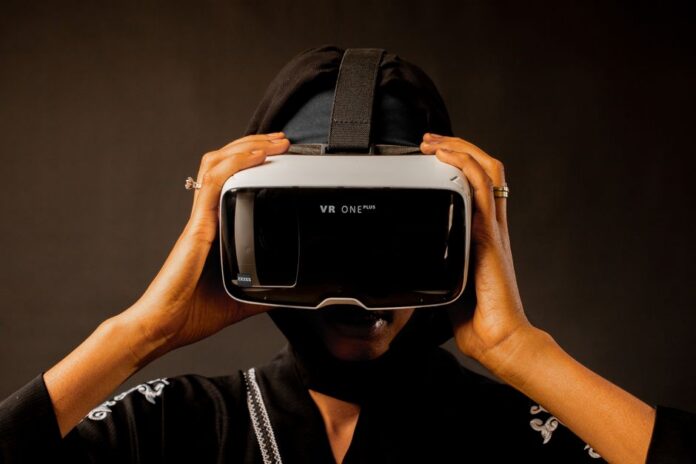
How Virtual Reality Is Changing Entertainment Explained
Virtual reality (VR) technology has evolved from a futuristic concept into a transformative force reshaping the entertainment landscape. By creating immersive, three-dimensional environments that users can interact with in real-time, VR is fundamentally altering how audiences consume and experience entertainment across multiple platforms. This technological revolution is not merely enhancing existing forms of entertainment but creating entirely new categories of experiences that were previously impossible.
The Foundation of Virtual Reality in Entertainment
Virtual reality technology works by combining high-resolution displays, motion tracking sensors, and sophisticated software to create convincing simulated environments. Modern VR headsets track head movements and adjust the visual perspective accordingly, creating a sense of presence that traditional media cannot match. This sense of “being there” represents the core advantage that VR brings to entertainment, allowing users to step inside experiences rather than simply observing them from the outside.
The entertainment industry has recognized this potential, investing billions of dollars in VR development and content creation. Major technology companies, film studios, and game developers are all racing to establish themselves in this emerging market, driving rapid improvements in both hardware capabilities and content quality.
Gaming: The VR Entertainment Pioneer
The gaming industry has emerged as the primary driver of VR adoption in entertainment. Unlike passive forms of media, gaming naturally aligns with VR’s interactive capabilities, making it an ideal testing ground for the technology.
Immersive Gameplay Experiences
VR gaming transforms players from external controllers into active participants within game worlds. Popular VR games allow users to physically duck behind cover, reach out to grab objects, and explore environments in 360 degrees. This physical engagement creates emotional connections and memorable experiences that traditional gaming cannot replicate. Rhythm games, horror experiences, puzzle adventures, and social platforms have all found particular success in VR formats.
Competitive and Social Gaming
Multiplayer VR experiences are creating new forms of social interaction in digital spaces. Players can meet in virtual environments, communicate through spatial audio, and interact using natural gestures and body language. This social dimension adds depth to gaming experiences and creates communities that extend beyond traditional online gaming.
Cinematic Experiences and Storytelling
Film and television creators are exploring VR as a new medium for narrative storytelling. VR cinema represents a fundamental departure from traditional filmmaking, requiring entirely new approaches to directing viewer attention and constructing narratives.
360-Degree Films and Experiences
Filmmakers are producing 360-degree video content that allows viewers to look in any direction within a scene. Major studios have released VR experiences tied to blockbuster franchises, offering fans unprecedented access to fictional worlds. Documentary filmmakers are using VR to transport viewers to remote locations and historical events, creating powerful empathetic experiences that traditional documentaries cannot achieve.
Interactive Narratives
VR enables a new category of interactive storytelling where viewers influence narrative outcomes through their choices and actions. These experiences blur the line between cinema and gaming, creating hybrid entertainment forms that respond to user agency while maintaining narrative coherence.
Live Events and Performances
Virtual reality is democratizing access to live entertainment events, allowing anyone with a headset to attend concerts, sporting events, and theatrical performances from anywhere in the world.
Virtual Concerts and Music Experiences
Musicians and promoters are hosting concerts in virtual venues that can accommodate unlimited audiences without physical constraints. These events range from realistic recreations of live performances to fantastical experiences impossible in physical reality. Artists can create visual spectacles synchronized with music, transforming concerts into multi-sensory experiences that transcend traditional performances.
Sports Broadcasting
Sports organizations are experimenting with VR broadcasting that places viewers in premium virtual seats or even on the field alongside players. This technology offers perspectives impossible through traditional television coverage, such as standing on a basketball court during gameplay or experiencing a Formula One race from the driver’s seat.
Theme Parks and Location-Based Entertainment
The amusement industry is integrating VR technology into physical attractions, creating hybrid experiences that combine real-world sensations with virtual environments.
Theme parks are deploying VR headsets on roller coasters to overlay animated worlds onto physical rides, essentially creating infinite variations of experiences using the same physical infrastructure. Dedicated VR entertainment centers are appearing in cities worldwide, offering high-end VR experiences using equipment too expensive or space-intensive for home use.
Challenges and Limitations
Despite its promise, VR entertainment faces several obstacles to mainstream adoption:
- Hardware costs remain prohibitive for many consumers, limiting the potential audience
- Motion sickness affects a percentage of users, particularly during extended sessions
- Content creation requires specialized skills and expensive production processes
- Technical limitations in resolution and field of view still prevent truly seamless immersion
- Social isolation concerns arise from the solitary nature of headset use
The Future of VR Entertainment
As technology continues advancing, VR entertainment is poised for significant growth. Improvements in haptic feedback will add realistic touch sensations to virtual experiences. Wireless headsets with higher resolutions and wider fields of view will enhance immersion while improving comfort. Artificial intelligence integration will enable more responsive and personalized entertainment experiences.
The convergence of VR with augmented reality and mixed reality technologies promises to create a spectrum of immersive entertainment options suitable for different contexts and preferences. As production tools become more accessible and content libraries expand, VR is likely to transition from a novelty to a standard entertainment option alongside traditional media.
Conclusion
Virtual reality represents a paradigm shift in entertainment, offering unprecedented levels of immersion and interactivity. While challenges remain, the technology’s ability to create presence and emotional engagement positions it as a significant force in entertainment’s future. As hardware improves, content proliferates, and adoption increases, VR will continue transforming how audiences experience games, films, live events, and entirely new forms of entertainment yet to be imagined.