
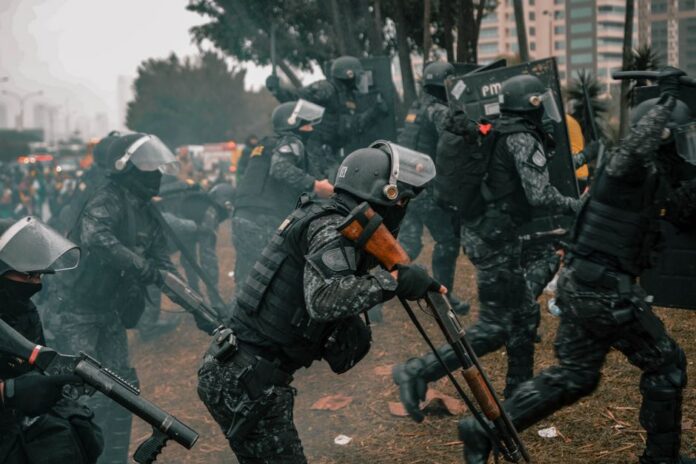
The Unfolding Crisis: What Authorities Are Saying Now
As communities worldwide grapple with mounting challenges across multiple sectors, government officials and key authorities are stepping forward with critical updates and strategic responses. The complex nature of contemporary crises—spanning public health, climate events, economic instability, and infrastructure concerns—requires coordinated efforts and transparent communication from leadership at all levels.
Official Statements and Initial Responses
Authorities have emphasized the importance of unified action in addressing the multifaceted nature of current challenges. According to recent briefings, emergency management agencies are working around the clock to assess the scope and scale of various crisis situations affecting different regions. Government spokespersons have outlined immediate response protocols designed to protect vulnerable populations while maintaining essential services.
Senior officials have acknowledged that the rapidly evolving nature of modern crises demands flexibility in approach and constant reassessment of strategies. Press conferences held by federal, state, and local authorities have provided the public with updates on resource allocation, emergency response deployment, and coordination efforts between different governmental departments and agencies.
Resource Allocation and Emergency Measures
Authorities have announced comprehensive resource mobilization plans to address critical needs. These measures include:
- Deployment of emergency personnel to affected areas
- Establishment of temporary relief centers and support facilities
- Activation of reserve supply chains for essential goods and services
- Implementation of emergency funding mechanisms
- Coordination with non-governmental organizations and volunteer groups
Budget allocations have been adjusted to ensure adequate funding for crisis response initiatives. Treasury officials have indicated that emergency reserves are being tapped to support immediate relief efforts while longer-term financial planning continues. Economic advisors are working closely with crisis management teams to balance urgent needs with fiscal responsibility.
Public Safety and Health Considerations
Health authorities have issued detailed guidance regarding public safety protocols. Medical experts within government agencies are monitoring situations closely and updating recommendations based on evolving circumstances. Public health officials stress the importance of following authorized guidance and avoiding misinformation that can complicate response efforts.
Safety protocols being emphasized by authorities include enhanced monitoring systems, early warning mechanisms, and clear evacuation procedures where applicable. Emergency services departments have reported increased readiness levels and improved coordination with healthcare facilities to ensure comprehensive coverage during critical periods.
Communication Infrastructure and Information Dissemination
Recognizing the vital role of accurate information during crisis situations, authorities have established multiple channels for public communication. Official sources include government websites, emergency alert systems, social media platforms, and traditional media partnerships. Communications directors emphasize that the public should rely on verified sources and official statements rather than unconfirmed reports.
Technology infrastructure has been reinforced to handle increased demand for information and services. Digital platforms are being utilized to provide real-time updates, interactive maps showing affected areas, and direct links to assistance programs. Authorities are also maintaining hotlines staffed by trained personnel who can address specific concerns and provide personalized guidance.
Interagency Cooperation and International Coordination
The complexity of contemporary crises necessitates collaboration across multiple agencies and jurisdictions. Authorities have highlighted successful coordination between departments that traditionally operate independently. Intelligence sharing, joint operations centers, and unified command structures have been established to eliminate redundancies and maximize effectiveness.
International cooperation has also emerged as a crucial component of crisis response. Diplomatic channels remain active as nations share best practices, provide mutual assistance, and coordinate responses to challenges that transcend borders. Representatives from international organizations have praised the collaborative spirit demonstrated by participating authorities.
Long-Term Planning and Prevention Strategies
While addressing immediate concerns remains the priority, authorities are simultaneously developing longer-term strategies to prevent future crises or mitigate their impacts. Policy advisors are conducting comprehensive reviews of current systems to identify vulnerabilities and recommend improvements.
Infrastructure Resilience
Engineers and urban planners working with government agencies are assessing critical infrastructure to ensure it can withstand future challenges. Recommendations include upgrading aging systems, implementing redundant capabilities, and incorporating modern technologies that enhance monitoring and response capabilities.
Community Preparedness Initiatives
Authorities recognize that community resilience forms the foundation of effective crisis management. Programs are being developed to educate citizens about emergency preparedness, provide training for community leaders, and establish local response networks. These grassroots initiatives complement top-down governmental responses and create more robust overall systems.
Transparency and Accountability Measures
Government officials have committed to maintaining transparency throughout crisis response efforts. Regular briefings, published situation reports, and open access to non-sensitive data demonstrate accountability to the public. Independent oversight mechanisms have been activated to ensure resources are utilized appropriately and response measures meet established standards.
Authorities have also established feedback mechanisms allowing citizens to report concerns, request assistance, and provide input on response effectiveness. This two-way communication helps officials adjust strategies in real-time and ensures that community needs are adequately addressed.
Looking Forward
As situations continue to evolve, authorities maintain that adaptability and public cooperation remain essential. Officials stress that while challenges persist, coordinated efforts and adherence to official guidance provide the best path forward. Continued monitoring, resource optimization, and commitment to public welfare guide ongoing response operations.
The comprehensive approach demonstrated by authorities across multiple sectors reflects lessons learned from previous crises and represents evolved crisis management capabilities. As communities navigate these challenging times, clear communication from trusted authorities provides the foundation for effective response and eventual recovery.