
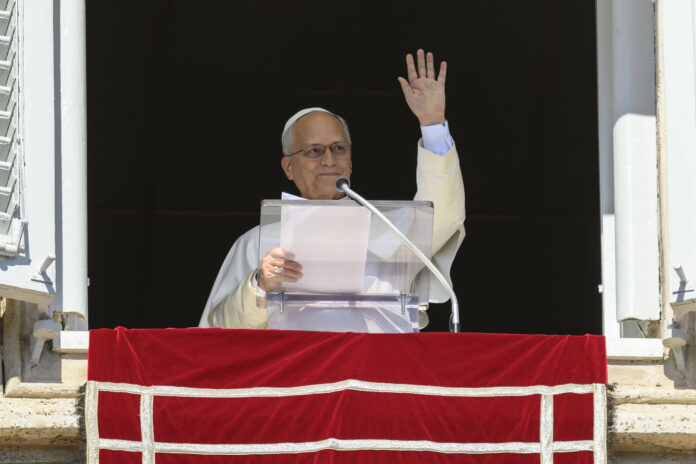
Pope Leo XIV, the 71-year-old leader of the Catholic Church, received a lung cancer diagnosis during surgery at a Rome hospital Tuesday, marking an unexpected health crisis just 17 months into his papacy. Vatican officials confirmed surgeons removed a cancerous lobe from his right lung after tissue tests revealed the common but serious diagnosis.
Surgery Reveals Cancer Diagnosis
Doctors at Rome’s Gemelli Hospital performed a 90-minute video-assisted procedure to remove the lower lobe of Leo’s right lung after discovering a growth during a routine health checkup. Professor Stefano Margaritora, the hospital’s chief of thoracic surgery who led the operation, confirmed the tissue showed lung adenocarcinoma, a form of cancer that had been suspected based on pre-operative examinations. The Vatican’s medical bulletin stated the surgery proceeded successfully without complications, and the pontiff woke normally afterward.
The pope arrived at the hospital shortly before 1 p.m. local time in a black SUV, waving to crowds and shaking hands with officials before entering through the main entrance. Well-wishers gathered outside shouted best wishes in Italian as he walked past. Vatican officials expect Leo to remain hospitalized for approximately one week, with all public events cancelled through October 20 to allow for recovery.


Unexpected Diagnosis for Young Pope
The cancer diagnosis surprises observers familiar with Leo’s health profile. Elected by the College of Cardinals in May 2025, he represents one of the younger popes in recent history at age 71. Known as an active sports enthusiast who enjoys tennis, Leo has no known smoking history and had not experienced recent health problems before this diagnosis. His predecessor, Pope Francis, faced multiple hospitalizations as he aged before dying at 88 years old, but Leo’s situation differs significantly given his relative youth and previous good health.
What This Means
The diagnosis raises questions about Leo’s ability to fulfill the demanding schedule of leading the world’s 1.3 billion Catholics. Lung adenocarcinoma treatment typically involves surgery, chemotherapy, or radiation depending on the cancer’s stage and spread. Vatican officials have not disclosed whether additional treatment will be necessary beyond the surgical removal, nor have they provided information about the cancer’s stage or prognosis. The coming weeks will prove critical as medical teams assess whether the surgery successfully removed all cancerous tissue or if the pope will require ongoing treatment protocols that could affect his papal duties and public appearances.