
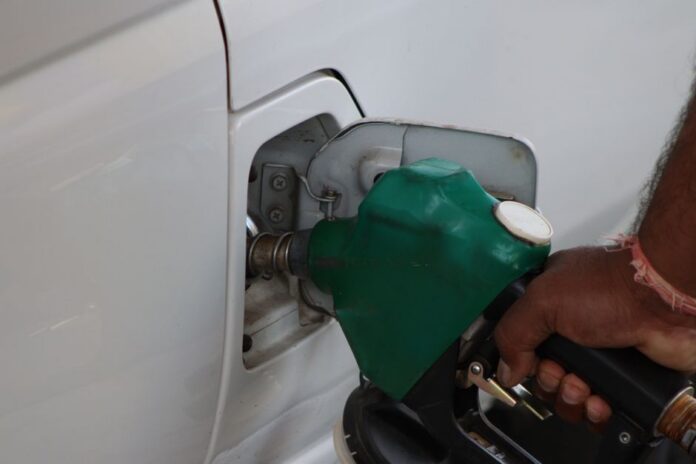
The Trump administration eliminated Biden-era fuel economy requirements Monday that would have forced automakers to reach 50.4 miles per gallon by 2031, replacing them with standards targeting 34.9 miles per gallon instead. The move ends what Transportation Secretary Sean Duffy called an illegal mandate forcing production of electric vehicles American families did not want.
New Standards Promise Lower Vehicle Costs
The National Highway Traffic Safety Administration projects the updated Corporate Average Fuel Economy standards will reduce new vehicle costs by $1,300 per car on average. The Department of Transportation estimates Americans will save $138 billion over five years as automakers gain flexibility in manufacturing choices. The CAFE program, established by Congress in 1975, sets minimum fuel efficiency requirements for light-duty vehicles and medium- and heavy-duty trucks.
John Bozzella, chief executive of the Alliance for Automotive Innovation, praised the changes as necessary corrections to policies disconnected from market realities. The previous administration’s standards effectively required an electric vehicle transition that customer demand could not support, according to the automotive trade association leader. Current data shows new car prices averaging $50,089, with electric vehicles costing $54,813 as of August.
Industry Experts Question Impact
Not all analysts believe the rollback will achieve promised savings or manufacturing changes. Sean Tucker of Kelley Blue Book suggested automakers cannot redesign vehicles quickly enough for regulations likely lasting only two to three years. Ray Shefska from CarEdge told CBS News that manufacturers will not lower prices while selling 15.6 to 16.2 million cars annually with increasing profit margins from relaxed standards. Any savings may offset losses from electric vehicle investments rather than benefit consumers.
Patrick Anderson of Anderson Economic Group offered a more optimistic view, arguing the standards help automakers align production with actual consumer demand. The consulting firm chief executive said avoiding expensive technologies that failed to deliver promised fuel savings makes the $1,300 estimate entirely achievable for manufacturers and buyers alike.
Timing Amid Rising Fuel Prices
The announcement arrives as gasoline prices reach $4.48 per gallon nationally, up from under $3 earlier this year due to disruptions from conflict with Iran. Environmental advocates criticized the decision, with Sierra Club’s Katherine Garcia warning that less fuel-efficient vehicles mean more gasoline consumption, higher pump spending, and dirtier air in communities. The Transportation Department stated the rule would reduce annual United States oil consumption, though the source material did not include specific reduction figures.