
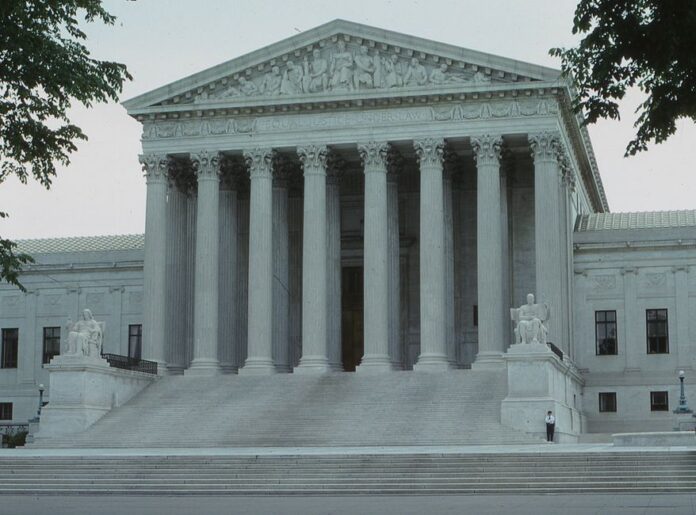
The Supreme Court issued a ruling Monday that clears the way for potential implementation of President Trump’s executive order restricting mail-in voting, though significant legal battles remain ahead of the November midterm elections.
Court Dismisses State Challenge on Technical Grounds
The conservative majority on the Supreme Court did not rule on whether Trump’s executive order is lawful. Instead, the justices determined that the 23 states and District of Columbia that filed the lawsuit lacked proper legal standing to challenge the order. This procedural decision leaves the door open for the administration to begin implementing restrictions while avoiding a direct ruling on constitutional questions surrounding federal versus state control of elections.
The majority opinion emphasized that their decision should not be interpreted as approval of the order itself. The unsigned ruling stated that time will reveal whether government measures to implement the order prove lawful, signaling potential future court battles over specific actions taken by federal agencies.
Sharp Dissent from Liberal Justices
All three liberal-leaning justices issued public dissents against the decision. Justice Ketanji Brown Jackson wrote forcefully that the ruling continues a troubling pattern in election-related cases, describing it as another development in a nightmarish situation for certain plaintiffs seeking to bring election challenges. The dissent suggests deep concern about restrictions on voter access and the ability of states to protect their election processes from federal interference.
What the Executive Order Requires
Trump signed the executive order in March, directing his administration to compile lists of eligible voters nationwide. The order instructs the United States Postal Service to deliver mail ballots exclusively to individuals appearing on these federal lists. Requirements released Friday would prohibit the Postal Service from handling mail ballots from any state refusing to comply with the presidential directive, potentially disrupting voting access in non-compliant states.
Uncertainty Ahead of Midterms
New York Attorney General Letitia James called the Supreme Court decision a painful setback but pledged continued legal resistance. Notre Dame University law professor Derek Muller characterized the situation as only the first stage of a rapidly developing legal contest. The ruling creates uncertainty about mail voting procedures with midterm elections approaching, raising questions about how quickly the administration can implement changes and whether additional lawsuits will freeze federal action. Neither the Postal Service nor the White House provided immediate responses to requests for comment on implementation plans.