
How the Push for Electric Vehicles Is Changing Urban Planning (New Data)
The rapid adoption of electric vehicles (EVs) across the United States is fundamentally reshaping how cities approach urban planning and infrastructure development. Recent data from the Department of Energy indicates that EV sales reached record highs in 2023, accounting for approximately 9.3% of all new vehicle sales nationwide. This accelerating transition from internal combustion engines to electric power is compelling urban planners, municipal governments, and developers to reimagine the American cityscape in ways not seen since the advent of the automobile itself.
Infrastructure Transformation at Scale
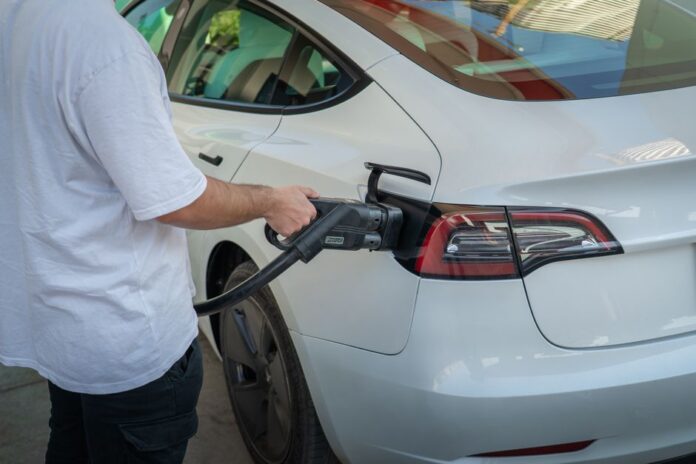
The most immediate impact of EV adoption appears in the urgent need for charging infrastructure. According to new data from the National Renewable Energy Laboratory, the United States will require between 182,000 and 430,000 public charging stations by 2030 to meet projected demand, compared to the approximately 55,000 stations currently available. This gap is driving unprecedented changes in urban planning priorities.
Cities are now integrating charging infrastructure requirements into zoning codes and building permits. Municipal governments in major metropolitan areas including Los Angeles, Seattle, and Boston have implemented mandates requiring new residential and commercial developments to include EV charging capabilities. These regulations are transforming parking lot designs, with dedicated charging spaces becoming as essential as handicapped parking spots.
Reimagining Parking Structures and Street Design
Traditional parking infrastructure is undergoing significant modifications to accommodate EVs. Recent studies from the American Planning Association reveal that parking garages in urban centers are being retrofitted with electrical capacity upgrades that can cost between $3,000 and $7,000 per charging space. New constructions are incorporating charging infrastructure from the ground up, with electrical systems designed to handle substantial power loads.
Street-level changes are equally dramatic. Cities are converting metered parking spaces into charging stations, with data from major municipalities showing that these installations generate higher revenue per space than traditional meters while serving the dual purpose of supporting the EV transition. Curbside management has become a complex calculus involving charging time limits, pricing structures, and equitable access considerations.
Energy Grid Planning and Urban Development
The electrical grid implications of widespread EV adoption are forcing utility companies and urban planners into closer collaboration than ever before. New research from the Edison Electric Institute projects that EVs could represent 20% of total electricity sales by 2030. This projection is influencing decisions about power plant construction, renewable energy integration, and distribution network upgrades.
Urban planners are now working with utility providers to identify neighborhoods where grid capacity may become strained by EV charging demands. This coordination is leading to innovative solutions, including:
- Strategic placement of fast-charging stations near grid capacity nodes
- Integration of solar panels and battery storage at charging locations
- Implementation of smart charging systems that balance load across the grid
- Development of microgrids in new residential and commercial complexes
Equity and Access Considerations
Recent data from the Department of Transportation highlights significant disparities in charging infrastructure availability, with lower-income neighborhoods having 40% fewer public charging stations per capita than affluent areas. This gap is prompting urban planners to adopt equity-focused approaches to EV infrastructure deployment.
Cities including Denver, Portland, and Washington D.C. have established programs specifically targeting underserved communities for charging station installation. These initiatives recognize that residents of multi-unit dwellings, who comprise a larger percentage of lower-income populations, face greater challenges in accessing home charging and depend more heavily on public infrastructure.
Impact on Gas Stations and Commercial Zones
The declining relevance of traditional gas stations is creating new opportunities and challenges for commercial zone planning. Industry analysts project that the number of gas stations could decrease by 25% over the next decade as EV adoption accelerates. Urban planners are considering how to repurpose these properties, with proposals ranging from converting them to EV charging hubs to transforming them into community spaces or small parks.
Simultaneously, retail centers and commercial districts are recognizing the value of charging infrastructure as a customer amenity. Shopping centers with charging stations report that EV drivers spend an average of 35-40 minutes on-site during charging sessions, providing opportunities for increased retail engagement that traditional gas station visits never offered.
Residential Development Patterns
New residential development is being fundamentally altered by EV considerations. Building codes in progressive municipalities now require that a percentage of parking spaces in new multi-family housing include charging capability, with requirements ranging from 10% to 50% depending on the jurisdiction. Some cities mandate that all spaces be “EV-ready” with appropriate electrical conduit installed, even if chargers are not immediately deployed.
This shift is affecting construction costs and architectural design. Developers report that incorporating EV charging adds approximately 1-3% to total project costs, a factor now routinely included in feasibility analyses and pro forma calculations.
Future Outlook and Ongoing Adaptation
As EV technology continues evolving, urban planners must remain adaptable. Emerging technologies such as wireless charging, battery-swap stations, and ultra-fast charging capabilities may require additional infrastructure modifications. The integration of autonomous electric vehicles could further transform urban design, potentially reducing parking needs while increasing demands on charging infrastructure in different configurations.
The transformation of American cities to accommodate electric vehicles represents one of the most significant urban planning challenges and opportunities of the 21st century. As new data continues to inform decision-making, cities that proactively adapt their infrastructure and planning frameworks will be better positioned to support sustainable transportation while ensuring equitable access for all residents.