
How the New Energy Policies Are Reshaping Industrial Output: Why It Matters
The global industrial landscape is undergoing a fundamental transformation as governments worldwide implement ambitious energy policies aimed at combating climate change and ensuring energy security. These policy shifts are not merely environmental initiatives; they represent a comprehensive restructuring of how industries produce goods, consume energy, and compete in the global marketplace. Understanding these changes is crucial for economists, business leaders, and policymakers navigating the evolving economic terrain.
The Policy Framework Driving Change
Recent years have witnessed an unprecedented wave of energy policy reforms across major economies. The European Union’s Green Deal, the United States’ Inflation Reduction Act, and China’s dual carbon goals exemplify this global momentum. These policies share common elements: carbon pricing mechanisms, renewable energy mandates, phase-out schedules for fossil fuels, and substantial subsidies for clean energy technologies.
Carbon pricing, through cap-and-trade systems or carbon taxes, now affects over 20% of global greenhouse gas emissions. This mechanism fundamentally alters production costs, making energy-intensive manufacturing processes more expensive while incentivizing efficiency improvements and cleaner alternatives. Meanwhile, renewable portfolio standards require utilities to source increasing percentages of electricity from renewable sources, reshaping the entire energy supply chain that industries depend upon.
Immediate Impacts on Industrial Production
The manufacturing sector, which accounts for approximately 23% of global GDP, faces the most immediate and pronounced effects of these policy changes. Energy-intensive industries such as steel, cement, chemicals, and aluminum are experiencing particularly significant disruptions to traditional production models.
Rising Production Costs
Industries heavily reliant on fossil fuels face increased operational expenses as carbon prices rise and conventional energy sources become more regulated. Steel manufacturers, for instance, are grappling with costs associated with transitioning from coal-based blast furnaces to electric arc furnaces or hydrogen-based direct reduction methods. These transitions require substantial capital investments while simultaneously increasing short-term production costs.
Supply Chain Reconfigurations
Energy policies are forcing companies to reassess their entire supply chains. Businesses now evaluate suppliers based not only on cost and quality but also on carbon footprints and compliance with environmental standards. This has led to nearshoring trends in some sectors, as companies seek to reduce transportation emissions and ensure regulatory compliance across their operations.
Technological Innovation and Industrial Modernization
While presenting challenges, new energy policies are simultaneously catalyzing unprecedented technological innovation. Industries are investing heavily in emerging technologies that can maintain competitiveness while meeting environmental standards.
Clean Technology Adoption
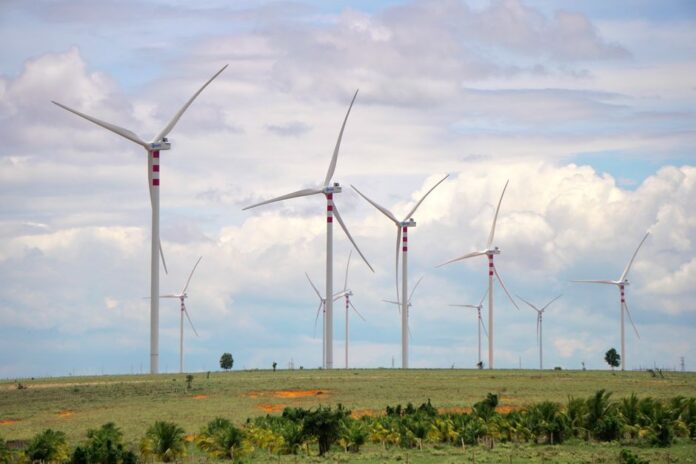
The renewable energy sector has experienced explosive growth, with solar and wind power capacity additions breaking records annually. This expansion creates new manufacturing opportunities for panels, turbines, batteries, and related infrastructure. Traditional industrial giants are pivoting to produce components for the green economy, transforming product lines and workforce skills in the process.
Process Innovation
Companies are developing novel production methods to reduce energy consumption and emissions. The cement industry is exploring carbon capture and storage technologies, while chemical manufacturers are investing in bio-based feedstocks as alternatives to petroleum derivatives. These innovations often yield additional benefits beyond emissions reductions, including improved efficiency and waste reduction.
Economic Competitiveness and Market Dynamics
Energy policy reforms are redrawing competitive boundaries across industries and geographies. Countries and companies that successfully navigate this transition gain significant advantages, while those that resist face growing market pressures.
Regional Winners and Losers
Regions with abundant renewable energy resources or early policy adoption are positioning themselves as industrial hubs for the new economy. Areas with cheap, plentiful renewable electricity attract energy-intensive manufacturers seeking cost advantages. Conversely, regions dependent on fossil fuel industries face economic headwinds requiring strategic adaptation and workforce transitions.
Trade Implications
Border carbon adjustments, which tax imports based on their carbon content, are emerging as significant trade policy tools. The European Union’s Carbon Border Adjustment Mechanism sets a precedent that could reshape global trade patterns. Industries in countries without comparable climate policies face potential export disadvantages, creating pressure for policy harmonization internationally.
Employment and Workforce Transformation
The industrial restructuring driven by energy policies has profound implications for employment patterns and workforce development. While some traditional energy sector jobs decline, new opportunities emerge in renewable energy, energy efficiency, and green technology manufacturing.
The International Labour Organization estimates that the transition to a greener economy could create 24 million new jobs globally by 2030. However, this transition requires substantial investment in education and training programs to equip workers with necessary skills for emerging industries. Regions must proactively manage this workforce transition to minimize economic disruption and ensure inclusive growth.
Long-Term Economic Implications
Beyond immediate adjustments, these energy policies are establishing foundations for long-term economic transformation. Industries that embrace change position themselves for sustained competitiveness as environmental regulations tighten globally and consumer preferences shift toward sustainable products.
The transition also presents macroeconomic opportunities. Investment in clean energy infrastructure stimulates economic activity, while reduced dependence on imported fossil fuels improves energy security and trade balances for many nations. Additionally, leadership in clean technologies offers export opportunities in the rapidly expanding global green economy market.
Conclusion
New energy policies are fundamentally reshaping industrial output through altered cost structures, technological imperatives, and competitive dynamics. While presenting significant challenges, particularly for traditional energy-intensive industries, these policies also create opportunities for innovation, efficiency improvements, and new market development. The economic significance extends beyond environmental benefits to encompass competitiveness, employment, trade, and long-term economic resilience. As these policies mature and expand, their influence on industrial production will only intensify, making adaptation not merely advisable but essential for economic prosperity in the emerging low-carbon global economy.