
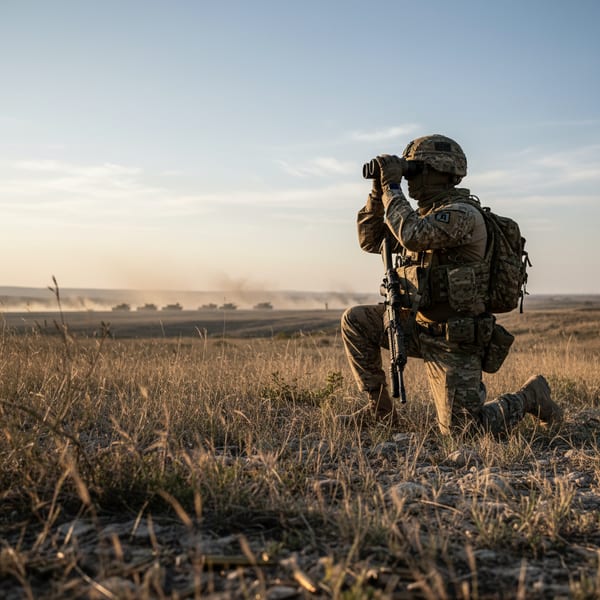
A United States Marine lost his life during a training exercise at Camp Schwab in Okinawa, Japan, raising urgent questions about safety protocols at one of America’s most strategic overseas military installations.
Tragic Loss at Strategic Pacific Base
The 3rd Marine Division confirmed the death on Wednesday, November 4, 2026, following the training incident that occurred the previous day. Officials released few details about the circumstances surrounding the Marine’s death, stating only that the incident remains under active investigation. The Marine’s identity is being withheld until family members receive official notification, a process expected to take at least 24 hours according to standard military protocol.
Lieutenant Tyler Thomas, speaking for the III Marine Expeditionary Force, declined to provide critical information about the incident. When pressed, Thomas refused to confirm whether the Marine died at the training site or after transport to a medical facility. He also would not disclose if other service members sustained injuries during the same training exercise, leaving families of Marines stationed at Camp Schwab with troubling questions about their loved ones’ safety.


Questions Mount Over Training Safety
The lack of transparency from military officials has sparked concerns about what exactly happened during the training exercise. Camp Schwab, located in northern Okinawa, serves as a crucial training facility for Marines deployed in the Pacific theater. The base regularly conducts intensive combat readiness drills designed to prepare American forces for potential conflicts in the region. The refusal to provide basic details about whether others were injured suggests the incident may involve circumstances officials are not yet prepared to discuss publicly.
What This Means for Military Families
This tragedy underscores the real dangers American service members face even during peacetime training operations. Our Marines volunteer to defend our nation, placing themselves in harm’s way both in combat zones and during preparation exercises designed to keep them combat-ready. Approximately 18,000 Marines are currently stationed in Okinawa, representing a significant portion of America’s forward-deployed forces in the Pacific region. As this investigation unfolds, military families deserve complete transparency about training safety standards and what measures are being taken to prevent future incidents. The men and women who wear our nation’s uniform, and their families who support them, deserve nothing less than full accountability from military leadership.