
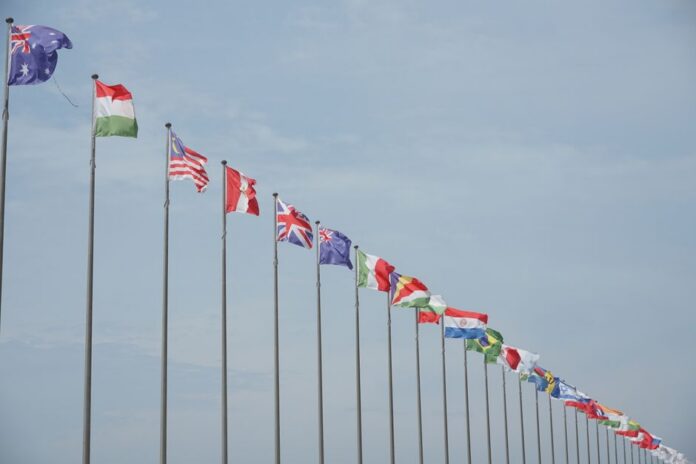
Why Foreign Policy Is Becoming a Domestic Issue Explained
The traditional separation between foreign and domestic policy has become increasingly blurred in contemporary politics. What once seemed like distant international matters now directly impact the daily lives of citizens, transforming foreign policy into a critical domestic concern. This shift represents a fundamental change in how governments operate and how citizens engage with political issues beyond their borders.
The Erosion of Traditional Boundaries
Historically, foreign policy remained the domain of diplomats, defense officials, and a small circle of elected representatives. Domestic voters typically focused on local issues such as healthcare, education, and economic policy. However, the interconnected nature of modern society has fundamentally altered this dynamic. Global events now cascade through economies, communities, and households with unprecedented speed and impact.
The distinction between “over there” and “right here” has diminished considerably. Trade agreements negotiated in foreign capitals affect factory workers in manufacturing towns. Military interventions in distant regions influence fuel prices at local gas stations. Immigration policies shaped by international crises determine the demographic composition of neighborhoods and school systems.
Economic Interdependence and Daily Life
Economic globalization stands as perhaps the most significant factor in transforming foreign policy into a domestic issue. International trade agreements directly determine which industries thrive and which struggle, affecting employment opportunities and wage levels across entire regions.
Supply Chain Vulnerabilities
The COVID-19 pandemic exposed how deeply domestic well-being depends on international relationships and foreign policy decisions. When supply chains disrupted across Asia, American consumers faced shortages of essential goods, from medical equipment to consumer electronics. These disruptions revealed that foreign policy decisions about trade relationships, diplomatic ties, and manufacturing partnerships have concrete implications for product availability and prices at home.
Energy Security and Household Budgets
Energy policy exemplifies the domestic implications of foreign policy choices. Decisions about relationships with oil-producing nations, sanctions policies, and international climate agreements directly affect energy costs for households and businesses. When tensions escalate in key energy-producing regions, consumers immediately feel the impact through rising gasoline and heating costs, transforming abstract geopolitical concerns into kitchen-table issues.
National Security Concerns at Home
Security threats have evolved beyond traditional military confrontations between nation-states. Modern security challenges manifest in ways that directly touch domestic populations, making foreign policy decisions increasingly relevant to everyday safety concerns.
Cyber Security and Critical Infrastructure
Foreign cyber operations target domestic infrastructure, financial systems, and electoral processes. Nation-state actors conduct operations that compromise power grids, water systems, and communication networks. These activities represent foreign policy challenges with immediate domestic consequences, requiring citizens and policymakers to consider international relationships through the lens of local security.
Terrorism and Domestic Safety
The nature of modern terrorism has irrevocably linked foreign interventions with domestic security. Military actions abroad, diplomatic relationships with various nations, and intelligence-sharing agreements all influence the domestic security environment. Citizens now recognize that foreign policy decisions about military deployments or alliance structures can affect their personal safety in their own communities.
Immigration as a Foreign-Domestic Policy Nexus
Immigration policy represents perhaps the clearest example of foreign and domestic policy convergence. Wars, economic instability, and political persecution in other nations create refugee flows and migration pressures that become central domestic political issues.
Foreign policy decisions about humanitarian interventions, development assistance, and diplomatic engagement with unstable regions directly influence immigration patterns. Communities experience the effects of these international dynamics through changing demographics, labor market impacts, and social integration challenges. This reality has elevated immigration to a top-tier political issue that bridges the international and domestic spheres.
Climate Change as a Transnational Challenge
Climate change represents an inherently global problem that manifests in local impacts. International agreements on emissions reductions, technology transfers, and climate finance affect domestic energy policies, industrial regulations, and economic transitions.
Extreme weather events, increasingly linked to global climate patterns, affect local communities through flooding, wildfires, and agricultural disruption. Foreign policy decisions about climate cooperation, therefore, have direct implications for disaster preparedness, insurance costs, and community resilience at home.
Information Technology and Cultural Exchange
The digital revolution has accelerated the collapse of boundaries between foreign and domestic spheres. Social media platforms facilitate instant communication across borders, exposing domestic populations to foreign perspectives and propaganda alike. Disinformation campaigns orchestrated by foreign actors target domestic audiences, making information security and media literacy domestic issues rooted in international dynamics.
Political Polarization and Foreign Policy Debate
As foreign policy issues have become more relevant to daily life, they have also become more politically polarized. Debates about international trade, military interventions, and alliance commitments now feature prominently in domestic political campaigns and divide voters along partisan lines.
This politicization reflects the genuine stakes that ordinary citizens perceive in foreign policy decisions. When international agreements affect job prospects, when military deployments influence tax burdens, and when diplomatic relationships impact local security, voters naturally demand input into these decisions.
Conclusion
The transformation of foreign policy into a domestic issue reflects fundamental changes in how the modern world operates. Globalization, technological advancement, and the transnational nature of contemporary challenges have made it impossible to maintain artificial distinctions between international and domestic concerns. As citizens increasingly recognize that foreign policy decisions affect their economic prospects, personal security, and community well-being, they appropriately demand greater attention to international issues and accountability for how their governments engage with the world. This evolution requires both policymakers and citizens to develop more sophisticated understandings of how international and domestic issues interrelate in an interconnected world.